Wind Turbines
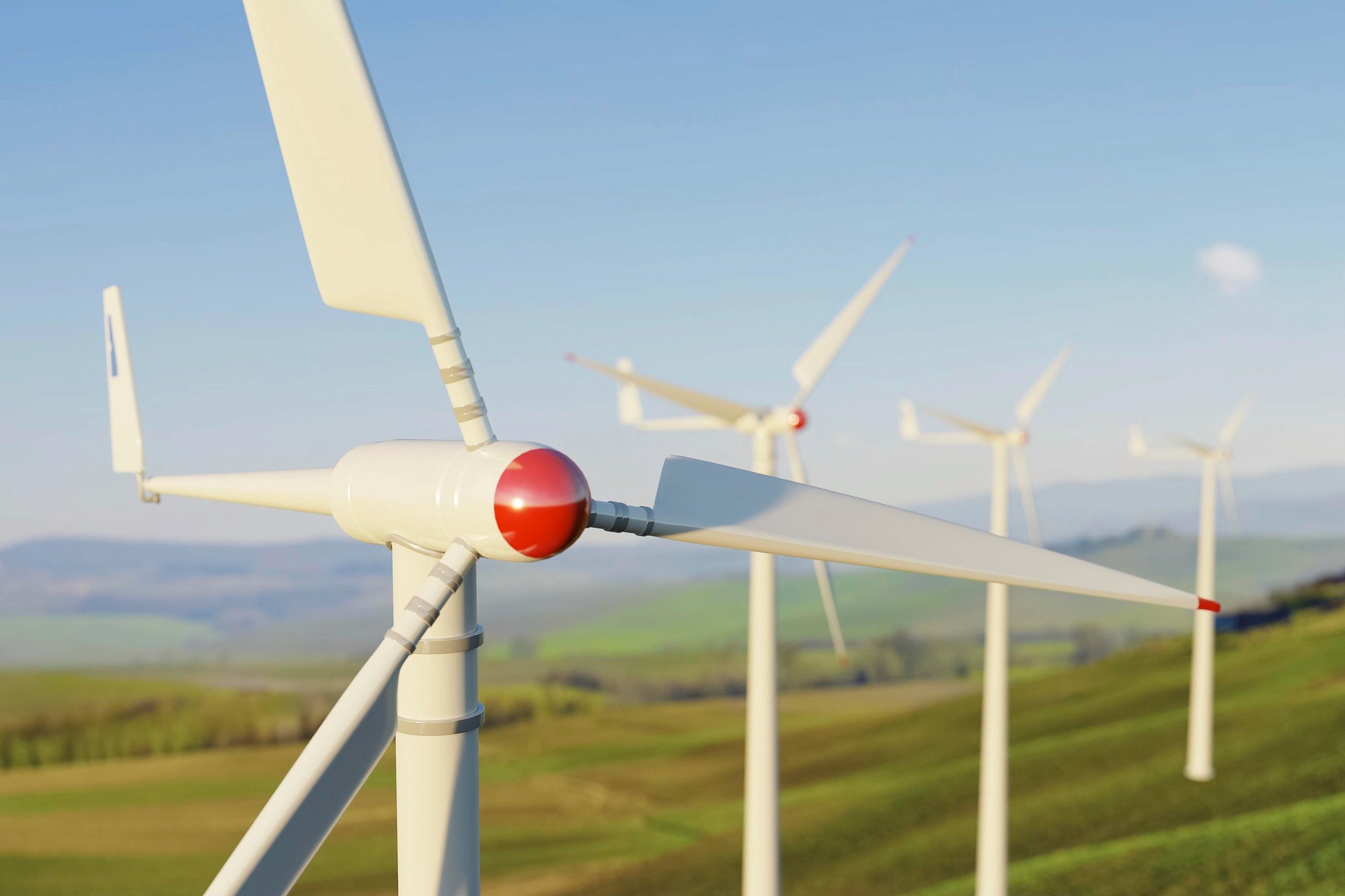
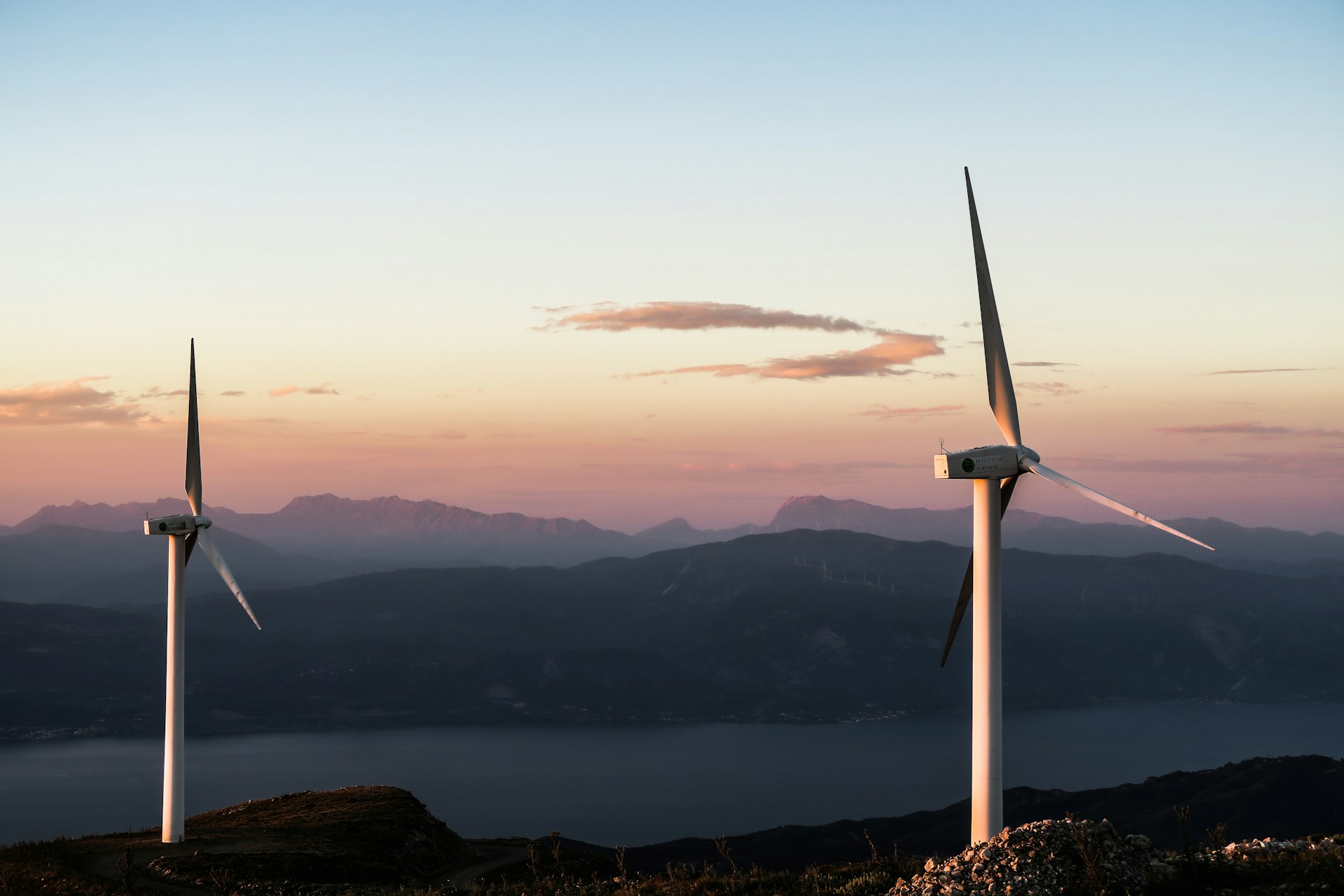
Wind turbines capture wind energy and convert it into electricity through aerodynamic blades attached to a rotor.
Harnessing Wind Energy for Sustainable Power
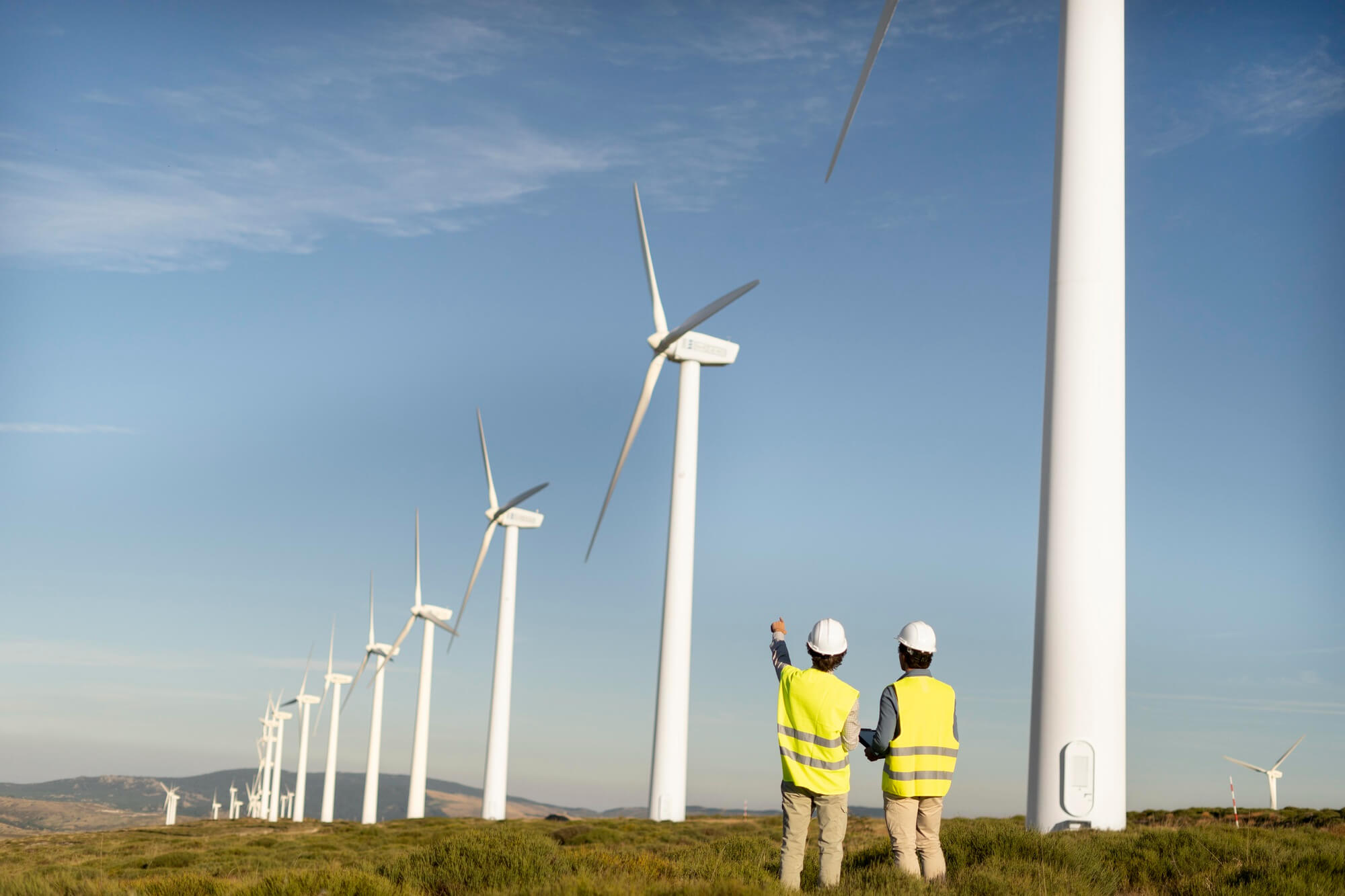
Wind turbines capture wind energy and convert it into electricity through aerodynamic blades attached to a rotor. When the wind blows, it turns the blades, which spin a shaft connected to a generator, producing electricity.
Key Benefits
1. Renewable Energy Source
Sustainable Power: Wind is a limitless resource, making wind energy a sustainable and renewable power source.
Low Environmental Impact: Wind turbines produce no greenhouse gas emissions during operation, helping to reduce the overall carbon footprint.
2. Cost-Effective
Low Operating Costs: Once installed, wind turbines have relatively low operational and maintenance costs.
Energy Savings: Wind energy can reduce dependency on fossil fuels and decrease electricity bills.
3. Energy Security
Domestic Energy Production: Wind energy can be harnessed locally, reducing reliance on imported fuels and enhancing energy security.
Diversified Energy Supply: Integrating wind energy into the grid diversifies energy sources, contributing to a more resilient energy system.
4. Job Creation
Economic Growth: The wind energy sector creates jobs in manufacturing, installation, maintenance, and support services.
Types of Wind Turbines
1. Horizontal Axis Wind Turbines (HAWT)
Common Design: The most commonly used design, featuring blades like airplane propellers that rotate around a horizontal axis.
Efficiency: Highly efficient in capturing wind from a consistent direction.
Installation: Typically used in both onshore and offshore wind farms.
2. Vertical Axis Wind Turbines (VAWT)
Omnidirectional: Can capture wind from any direction, making them suitable for urban environments and locations with variable wind directions.
Design Variations: Includes designs like Darrieus (eggbeater shape) and Savonius (S-shaped).
Maintenance: Easier to maintain as the gearbox and generator are located near the ground.
Installation Process
Feasibility Study: Conduct a site assessment and feasibility study to determine the suitability and potential output of the wind turbine.
Permitting and Approvals: Obtain the necessary permits and approvals from local authorities.
Design and Planning: Design the wind turbine system, including site layout, electrical connections, and grid integration.
Construction: Prepare the site, erect the turbine, and install the necessary electrical infrastructure.
Commissioning: Test and commission the turbine to ensure it operates correctly and safely.
Wind turbines offer a sustainable, cost-effective, and reliable source of renewable energy. By harnessing the power of wind, we can reduce our reliance on fossil fuels, decrease greenhouse gas emissions, and contribute to a cleaner and more sustainable future. While there are considerations such as site selection, environmental impact, and initial costs, the long-term benefits of wind energy make it a compelling option for diversifying and securing our energy supply.